If you are considering cannabis to help manage chronic pain, PTSD, cancer-related symptoms, anxiety, or another qualifying condition, you may be wondering whether obtaining a Medical 329 Card Hawaii is still worthwhile. With growing discussions around adult-use cannabis, many people assume medical registration offers little additional value. Hawaii’s medical cannabis program continues to provide important advantages for qualified patients.
A medical cannabis card can offer access to regulated products, professional medical guidance, and legal protections that recreational consumers may not receive. Understanding the differences between medical and recreational cannabis can help you choose the option that best supports your health, lifestyle, and long-term needs.
This guide explains how Hawaii’s medical cannabis program works, who qualifies, and why many residents continue to choose medical cannabis over recreational use.
What Is a Hawaii Medical Marijuana Card?
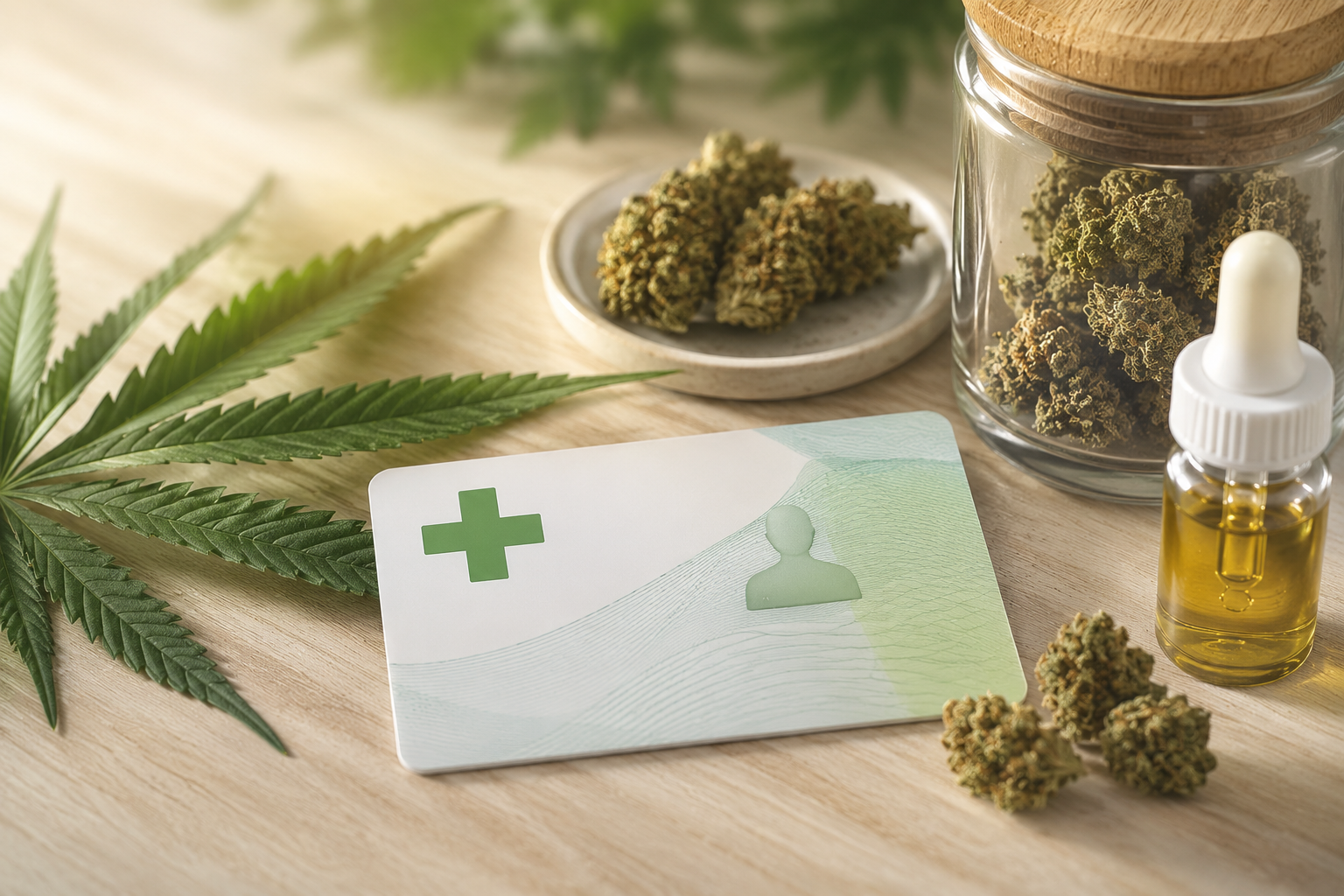
A Hawaii medical marijuana card is an official state registration that allows qualified patients to legally purchase and use medical cannabis. Often referred to as a 329 card, it confirms that a licensed healthcare provider has determined cannabis may help manage a qualifying medical condition.
Once approved, patients can purchase cannabis products from licensed dispensaries across Hawaii. These dispensaries offer carefully tested products that meet state quality and safety standards.
Unlike recreational cannabis programs, Hawaii’s medical cannabis system is designed with patient care in mind. The focus is not simply access to cannabis but providing patients with reliable options that may help improve their quality of life.
Who Qualifies for a 329 Card in Hawaii?
One of the most common questions people ask is: who qualifies for a 329 card in Hawaii?
Patients may qualify if they have a medical condition recognized under Hawaii’s medical cannabis regulations. These conditions commonly include chronic pain, PTSD, severe nausea, epilepsy, multiple sclerosis, cancer-related symptoms, glaucoma, and several other qualifying illnesses.
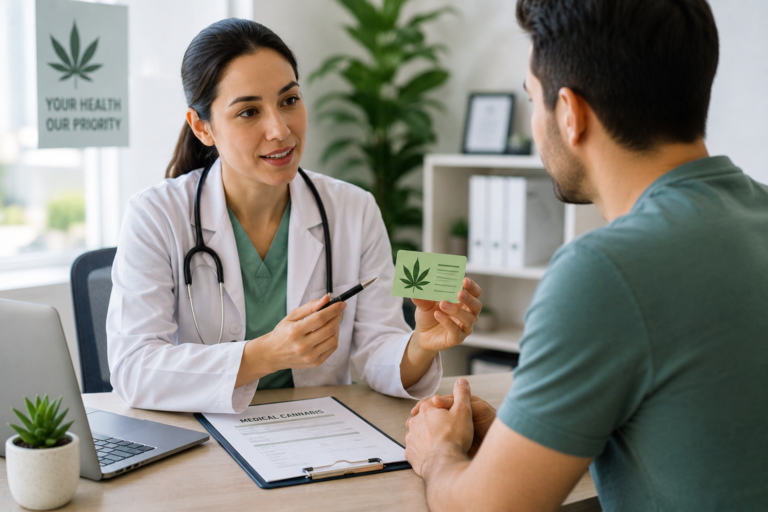
The process begins with an evaluation by a licensed healthcare provider. During the consultation, the provider reviews the patient’s medical history and determines whether medical cannabis may be an appropriate treatment option.
If approved, the patient can complete the state registration process and begin accessing medical cannabis legally through licensed dispensaries.
Medical Cannabis vs Recreational Cannabis: Key Differences
Although both involve cannabis products, there are significant differences between medical and recreational cannabis programs.
| Feature | Medical Cannabis | Recreational Cannabis |
| Healthcare Evaluation | Required | Not Required |
| Medical Oversight | Yes | No |
| Access to Patient-Focused Products | Yes | Limited |
| Professional Guidance | Available | Limited |
| Legal Medical Authorization | Yes | No |
| Primary Purpose | Symptom Management | Adult Personal Use |
For patients using cannabis to address specific health concerns, medical cannabis typically offers a more structured and supportive experience.
Benefits of Hawaii 329 Card Registration
The benefits of Hawaii 329 card registration go beyond obtaining permission to purchase cannabis.
One major advantage is access to products developed specifically for therapeutic use. Medical dispensaries often carry products with carefully balanced cannabinoid profiles that may help support symptom management more effectively than general-use products.
Another benefit is product consistency. Cannabis products sold through licensed medical dispensaries undergo testing for potency, purity, and safety. Patients know exactly what they are purchasing and can make more informed decisions about dosage and usage.
Medical registration also provides access to professional guidance. Healthcare providers and dispensary staff can help patients understand different products and identify options that align with their individual health goals.
Many patients also value the additional legal protections associated with documented medical cannabis use. Having official authorization provides peace of mind and helps ensure compliance with state regulations.
Understanding Hawaii Medical Cannabis Laws
Understanding Hawaii medical cannabis laws is essential before beginning treatment.
Hawaii established its medical cannabis program to provide safe and legal access for qualifying patients. The program outlines eligibility requirements, registration procedures, possession limits, and standards for licensed dispensaries.
Patients must maintain an active registration and follow all applicable state regulations regarding possession and use. Products purchased through licensed dispensaries are subject to testing requirements designed to ensure quality and safety.
Because cannabis laws can change over time, patients should stay informed and seek guidance from knowledgeable healthcare professionals when questions arise.
By participating in the medical program, patients gain access to a regulated system built around accountability, transparency, and patient wellbeing.
Why Many Patients Choose Medical Cannabis
For individuals managing chronic or ongoing medical conditions, cannabis often becomes part of a long-term wellness strategy rather than an occasional purchase.
Medical cannabis patients benefit from access to products specifically intended to support symptom management. These may include formulations designed for pain relief, improved sleep, stress management, inflammation reduction, or other therapeutic purposes.
Patients also appreciate the ability to discuss their options with professionals who understand medical cannabis. This guidance can help reduce trial-and-error and improve the overall treatment experience.
When consistency and symptom control matter, the medical cannabis program often provides advantages that recreational access cannot fully match.
Legal Cannabis Options in Hawaii: Which Choice Is Right for You?
When exploring legal cannabis options in Hawaii, the best choice depends on your personal circumstances.
Recreational cannabis may appeal to adults seeking occasional cannabis use without medical certification. However, patients who rely on cannabis for health-related reasons often benefit from the additional support available through the medical program.
If your goal is managing symptoms, improving daily comfort, or incorporating cannabis into a broader treatment plan, obtaining a medical card may offer greater value than recreational access alone.
For many Hawaii residents, medical registration remains the preferred path because it combines legal access with professional oversight and product reliability.
Is a Hawaii Cannabis Card Worth It?
A Hawaii cannabis card continues to provide meaningful benefits for qualifying patients.
Access to regulated dispensaries, tested products, healthcare guidance, and documented medical authorization creates a safer and more structured experience. These advantages can be particularly important for individuals managing chronic conditions that require ongoing cannabis use.
While recreational cannabis may provide convenience for some adults, medical cannabis remains the more comprehensive option for patients seeking reliable support and therapeutic benefits.
For many residents, obtaining a medical card is not simply about legal access—it is about making informed healthcare decisions.
Which Option Is Better?
There is no universal answer because every individual’s needs are different.
For occasional adult consumers, recreational cannabis may be sufficient. However, for patients dealing with chronic pain, PTSD, cancer-related symptoms, neurological disorders, or other qualifying conditions, medical cannabis often provides additional benefits that recreational programs do not.
The combination of healthcare guidance, product consistency, legal protections, and patient-focused access makes a Medical 329 Card Hawaii a valuable option for many people seeking cannabis as part of a wellness plan.
Conclusion
Choosing between medical cannabis and recreational cannabis is about more than convenience. It is about selecting the option that best supports your health, safety, and long-term wellbeing.
For many qualified patients, a Medical 329 Card Hawaii offers clear advantages, including access to regulated products, professional medical guidance, legal protections, and a patient-focused system designed to support therapeutic use. While recreational cannabis may serve occasional users, medical registration continues to be the preferred choice for individuals seeking consistent and reliable care.
Ready to Find Out if You Qualify?
The experienced team at Doctor 420 Hawaii makes the process simple, convenient, and patient-focused. Schedule your medical cannabis evaluation today and receive guidance from licensed healthcare professionals who understand Hawaii’s medical cannabis program.
Visit- https://doctor420hawaii.com/
FAQs
1. How do I apply for a Hawaii medical cannabis card?
You must complete an evaluation with a licensed healthcare provider. If approved, you can register through Hawaii’s medical cannabis program and legally purchase products from licensed dispensaries.
2. Can visitors access medical cannabis in Hawaii?
Yes. Hawaii offers a registration process for eligible out-of-state medical cannabis patients, allowing temporary access to licensed dispensaries during their visit.
3. How long is a Hawaii medical marijuana card valid?
Most registrations are valid for one year and must be renewed before expiration to maintain uninterrupted access.
4. Are medical cannabis products tested for safety?
Yes. Licensed dispensaries are required to provide products that meet state testing standards for quality, potency, and safety.
5. Can caregivers obtain medical cannabis for patients?
In certain situations, approved caregivers may assist registered patients in obtaining and managing medical cannabis according to Hawaii regulations.
6. What is the biggest advantage of having a medical cannabis card?
The biggest advantage is access to a regulated medical program that provides legal authorization, healthcare guidance, tested products, and patient-focused cannabis care.